
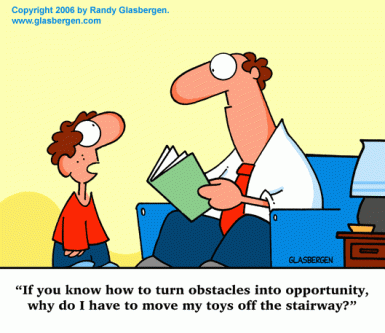
 “There are smart decisions and wise decisions. And one form of wisdom is the ability to judge when to let luck disrupt our plans. Not all time in life is equal. The question is, when the unequal moment comes, do we recognize it, or just let it slip? Jim Collins (Great by Choice)
Being opportunistic means that we take advantage of those opportunities that unexpectedly cross our paths. To best position ourselves to capitalize opportunities, we need to:
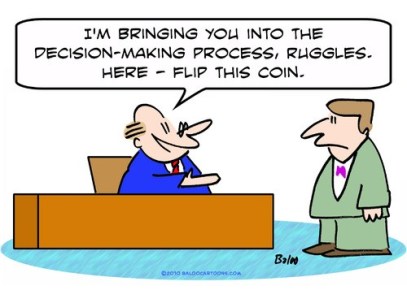 Successful leaders make good decisions… consistently.
 “It’s not always what we say; often it’s what we allow the other person to say. By listening, we gain trust and make other people feel more comfortable with us.” Rick Pitino
 Strategic thinking skills differentiate middle-level managers from effective upper level leaders. With excellent strategic thinking skills, the leader is able to make effective decisions that benefit their companies in both the short and long term.
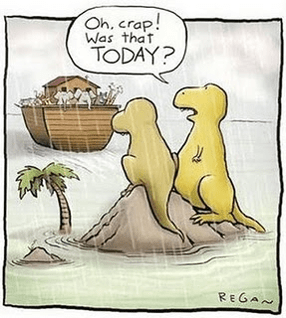 Hawaiians and other Polynesians are the descendants of peoples who traveled by boat from East Asia to settle their islands. Those most likely to survive the long and arduous journey were those with “thrifty genes”. They were those ancestors who were best able to process and use the limited food on their boat trips. Today, in a world of cheap and plentiful food, these same “thrifty genes” have led to an epidemic of obesity and diabetes among their descendants. What worked in one time may not work in another.
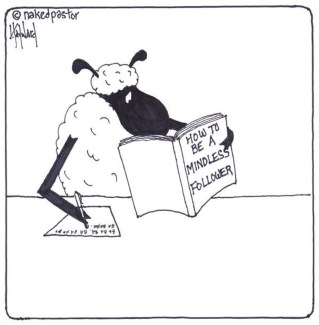 Even as leaders, we all have bosses. Perhaps, it is a Vice-President. Perhaps, it is the CEO. Perhaps, it is the Board of Directors.
 In corporate America, approximately $100 billion is spent each year on training. Yet, many studies show that training is only 10% – 15% effective. As Harvard Business School Professor Michael Beer writes, this is…
 Idea Summary
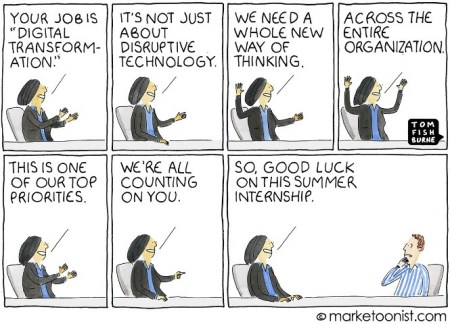 “The world is changing faster than ever before.”
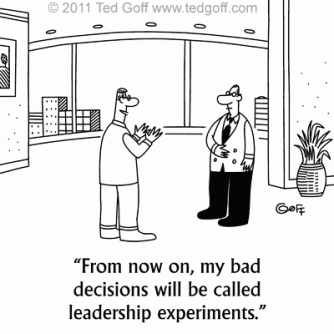 To move our companies forward, we need to experiment. We need to try out new products, new sales/ marketing strategies, new processes, and new leadership styles. We cannot be certain if all of these will work. But, to not experiment means that our companies stagnate.
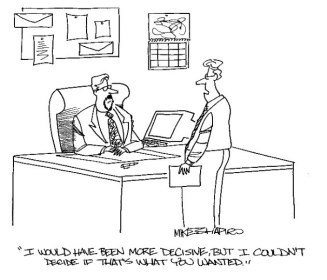 “In a minute, there is time for decisions and revisions which a minute will reverse.”
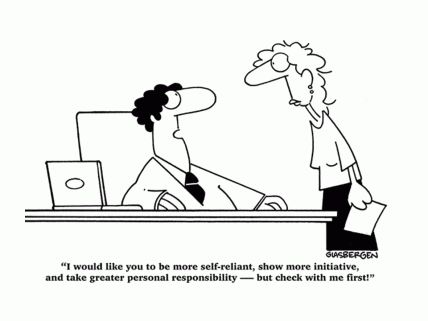 Guilty as charged!! I confess that I do, at times, micromanage.
 Several years ago, a medical surgeon, Atul Gawande, wrote a best-selling book,
  Our words matter.
 It happens to all of us.
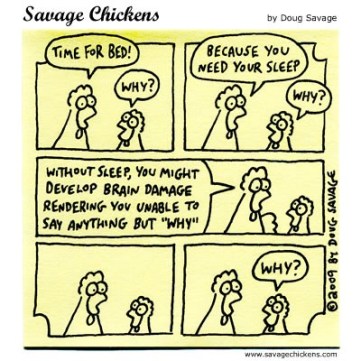 Internet entrepreneur, Simon Sinek, has a popular TED talk on asking why. His primary advice in building a successful company is that:
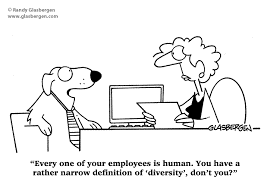 Today’s workplaces are more diverse than ever with more work being done in teams. To ensure that everyone is working together well, companies need to be inclusive and embrace diversity and individual differences.
 As business leaders, we strive to have each of our areas improve its efficiency and effectiveness. Accounting, Sales, Marketing, Engineering, Operations, Project Management, Customer Service – each of these parts of the business needs to be as effective as possible. Likewise, each of us needs to be as efficient as possible in getting our work done.
 Every Do-It-Yourselfer knows the carpenter’s advice:
