

Late one afternoon, a major plumbing leak sprang up in a building we were helping to build. Our field team sprang into immediate action, mobilized a large crew of workers, worked overtime, and repaired the damage caused by the water leak. In the end, the immediate action saved the customer more than $4M and helped ensure that the building was completed on time.
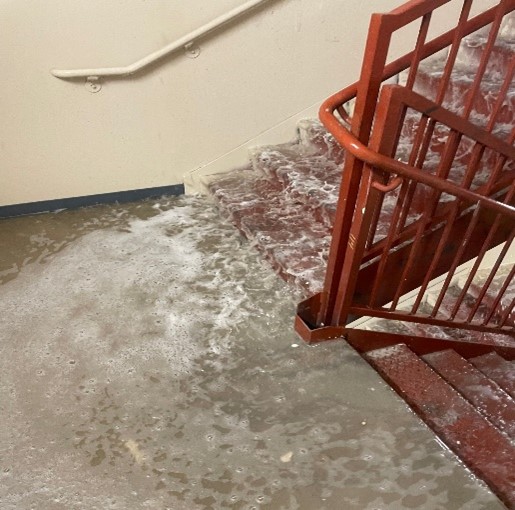
In business, crises occur, often (as above) through no fault of ours. To respond, we need to instantly get up to speed, marshal the resources, and resolve the crisis. Successful, rapid responses tie us in even closer with our customers, making us trusted partners.
In a previous job, our continued rapid responses for a telecommunications company led to us being put on retainer as a dedicated hurricane response team for this customer. This business was profitable and led to an increased market share in our core infrastructure products business for this customer.
How to Improve Our Zero to Sixty?
To be able to rapidly respond, our companies need:
- A customer service mentality focused on helping and supporting the customer in any way possible.
- An unbureaucratic culture of making it happen and getting it done, which often leads to asking for forgiveness instead of asking for permission.
- Rapid response protocols and training to ensure we respond in the best way possible for ourselves and our customers.
- Empowered front line leaders who can make immediate decisions to respond to a crisis.
- Dedicated, loyal employees who will sacrifice their time (often their weekends) to get the job done.
- Clear lines of upward communication to ensure that upper management is in the loop and can put in place the appropriate guardrails on the response to ensure that the company is protected.
- Upper management that supports the front-line leaders and that will reward fairly the workers who do the extra work.
- Good processes in place so that the crises that occur are rare and do not become the default way of doing business.
Conclusion
The benefits of having a Ferrari-like zero to sixty go beyond crises and rapid response situations. It leads to an empowered, more responsive, and faster organization that can get more done and serve its customers better.
Lieutenant Colonel Anthony Burgess at West Point describes how the ability to respond rapidly makes a U.S. Army unit the best that it can be:
The successful unit – the one best able to accomplish its objective – consists of soldiers who not only have a broad range of skills but know how to learn quickly and respond creatively. Each soldier takes the initiative, every soldier collaborates. While the soldiers will of course obey orders that come down from the hierarchy, the group as a whole has to have the characteristics that enable it to succeed in an environment that changes faster than the hierarchy can respond.

 David M. Shedd - Move Your Company Forward